
Plastic Knob Design: Ergonomic Considerations and Torque Safety
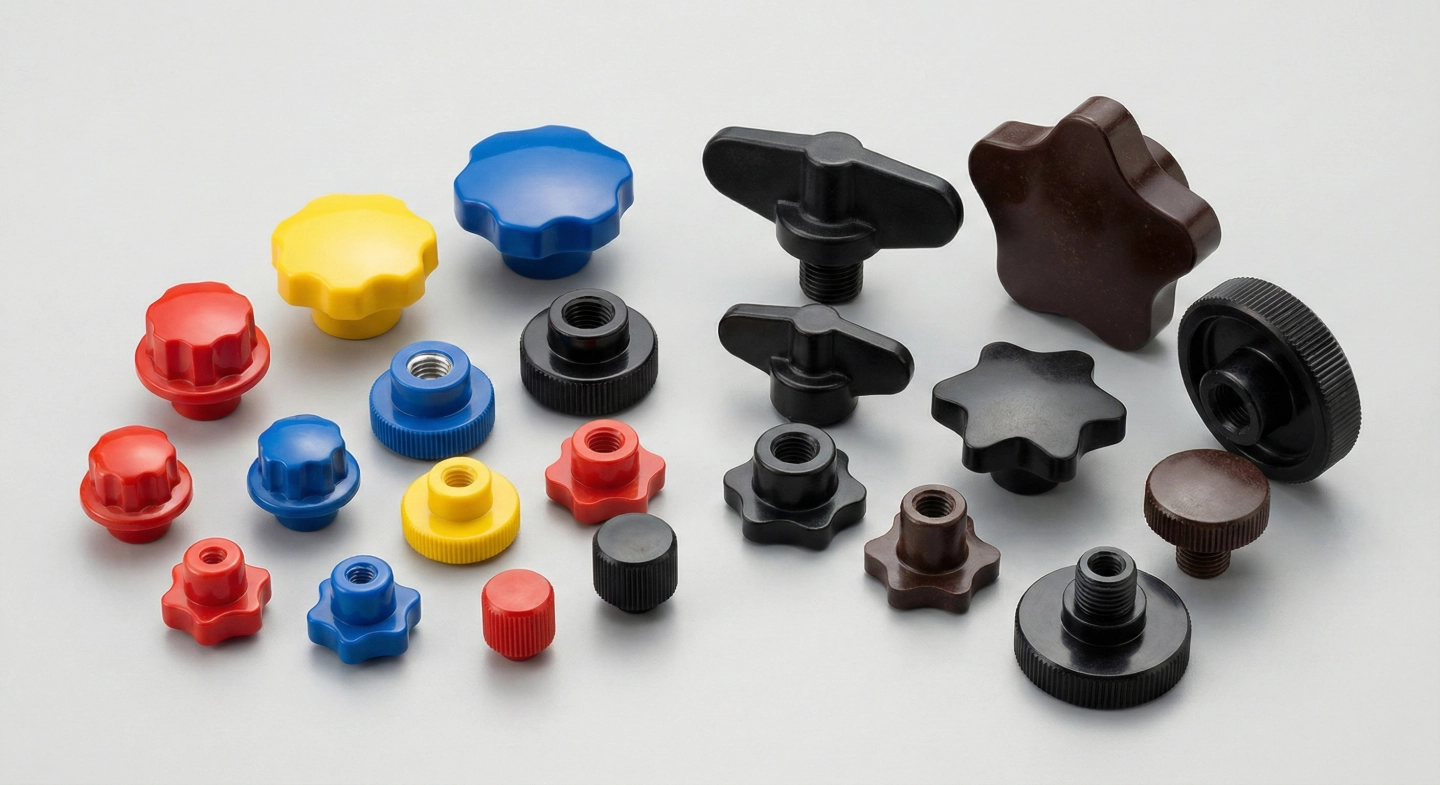
1.Ergonomic Design Objectives for Plastic and Phenolic Knobs
The ergonomic design of plastic or phenolic knobs and handles focuses on three core principles:- Easy to grip, easy to turn, and non-slip
- Requires no excessive force and does not cause hand fatigue or injury
- Intuitive operation that users can understand at a glance
- Different hand sizes
- Different user strength levels (adults, elderly users, or users wearing gloves)
- Different environments (oily, humid, high-temperature, or outdoor conditions)
2. Relationship Between Knob Dimensions and the Human Hand
2.1 Knob Diameter Design Guidelines
Application | Recommended DiameterPrecision adjustment (low force): Ø15–25 mm
General manual operation: Ø25–40 mm
High torque requirement: Ø40–60 mm
Gloved use / industrial application: Ø50 mm and above
Design principle:
A larger diameter reduces the finger force required and improves operating comfort.
However, oversized knobs may:
- Limit space layout
- Reduce adjustment precision
- Increase manufacturing cost
3. Grip and Contact Surface Design (Slip Resistance and Comfort)

3.1 Peripheral Grip Design
Common designs and ergonomic characteristics:- Straight knurling: Excellent slip resistance and tactile feedback, suitable for industrial equipment
- Wave or curved profiles: Comfortable grip and reduced risk of hand injury, suitable for consumer products
- Rubber overmolding (TPE): Superior anti-slip performance, suitable for outdoor and medical applications
- Lobe or wing shapes: Enables higher torque output, suitable for frequent adjustments
4. Operating Force and Torque Considerations
4.1 Acceptable Manual Torque (Reference Values)
User Type | Comfortable TorqueGeneral adult users: 0.3–0.8 Nm
Elderly users / precision operation: 0.2–0.4 Nm
Industrial use (short-term operation): up to 1.5–2.0 Nm
Therefore, knob and handle design must be coordinated with:
- Knob diameter
- Surface slip resistance
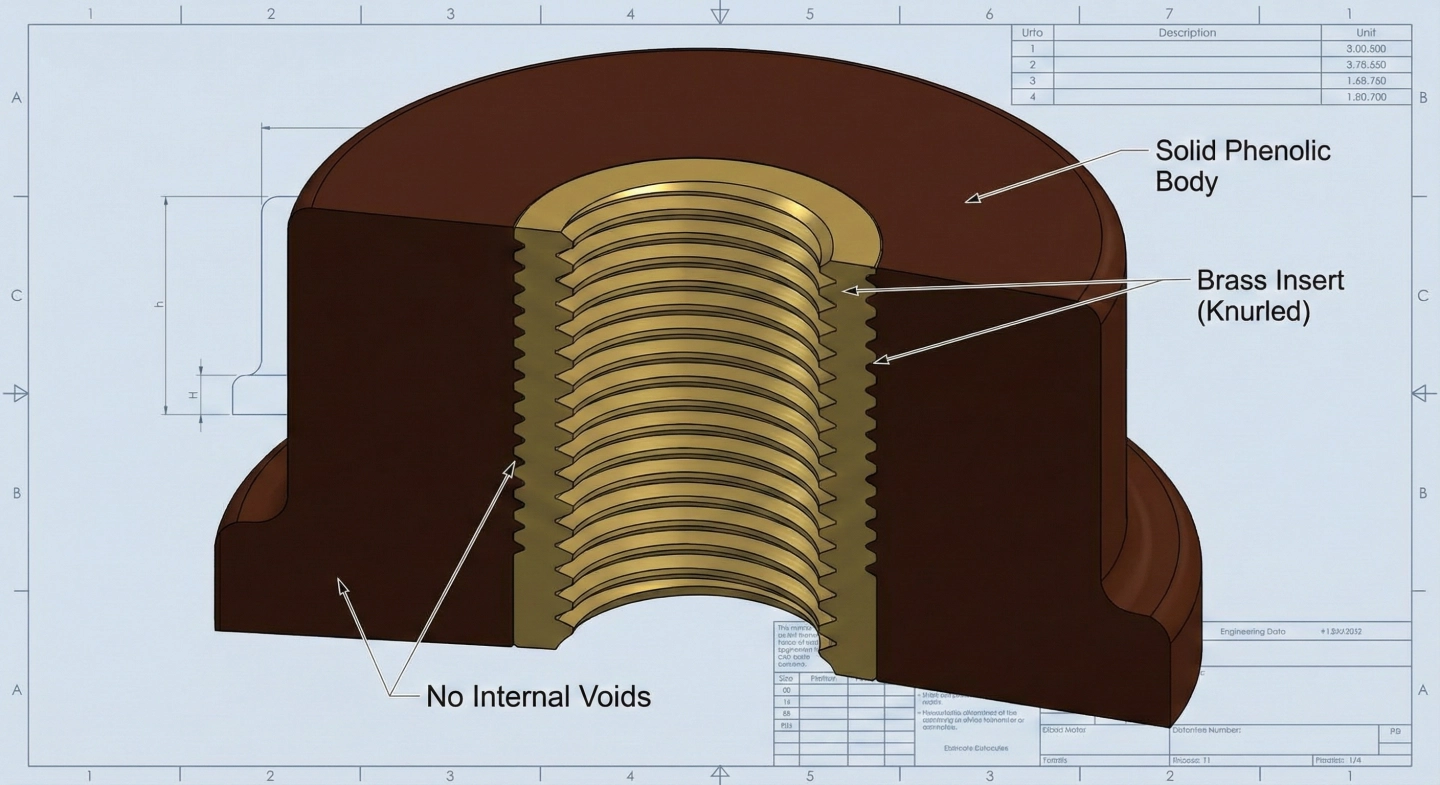
- Internal structure (brass or steel inserts, splines, or screws)
4.2 Rotational Feedback
Well-designed knobs provide clear feedback to the user, indicating successful operation:- Detent or click positioning
- Appropriate damping (avoid free spinning)
- Clear rotational direction (clockwise / counterclockwise)
5. Material Selection and Ergonomic Impact
Knob and handle design considers not only strength but also tactile feel.Material | Ergonomic Characteristics
PP (Polypropylene): Lowest cost, average tactile feel
ABS: Impact-resistant and flame-retardant options available, average tactile feel
PA (Nylon): High strength, commonly used in industrial applications
Phenolic (Bakelite): Heat-resistant and rigid; feels cold and hard; flash removal required
TPE overmolding: Excellent grip and comfort; higher cost due to secondary processing
Glass-fiber reinforced plastics: High strength but poorer surface appearance; surface texturing recommended
To fully realize the ergonomic characteristics of these diverse materials, precise Mold/Tooling Develop is foundational. Furthermore, for thermosetting materials like Bakelite, specialized Phenolic Injection capabilities are required to prevent internal defects, ensuring the rigid, heat-resistant properties meet industrial specifications.
6. Torque-Related Safety Standards Reference
6.1 ISO / EN Ergonomic Standards
EN 894 / ISO 9355 (Ergonomic design of machinery control actuators) do not specify fixed torque values but require that:- Users can operate without excessive force
- Fatigue and misoperation are minimized
- Safe operation can be achieved
Precision control / long-term operation: ≤ 0.3–0.5 Nm
General manual knobs: ≤ 0.8–1.0 Nm
Industrial use, short-term force: ≤ 1.5–2.0 Nm
Note: 2.0 Nm is generally considered the upper limit for manual operation and should be justified as non-frequent use if exceeded.
6.2 IEC Standards for Electrical Equipment
IEC 60947 (Low-voltage switchgear and control gear) focuses on:- Smooth operation
- Prevention of malfunction or damage due to excessive torque
- Manual control knobs are typically designed within 0.5–1.2 Nm
- Higher torque levels are considered tool-assisted or mechanically supported operation
6.3 Consumer, Medical, and Elderly-Oriented Products
Medical equipment knobs: 0.2–0.4 NmHome appliances / consumer products: 0.3–0.6 Nm
Equipment for elderly users: ≤ 0.4 Nm
These products are often required to comply with the ergonomic principles of ISO 9241.
7. General Torque Design Recommendations
Regular manual operation knobs: ≤ 1.0 Nm
Industrial short-term operation: up to 1.5–2.0 Nm
Medical / elderly use: ≤ 0.4 Nm
Structural safety factor: At least 2× the operating torque
Based on Intercraft (ITC)’s current experience with plastic and phenolic knobs and handles, the torque test results for destructive torque typically fall within the range of 15–19 Nm.
From the perspective of manual operation, this torque level is considered highly safe for hand-applied use. Achieving this high level of durability consistently relies on strict quality inspections throughout the manufacturing lifecycle, ensuring every plastic knob and phenolic knob can withstand extreme industrial environments without structural compromise.
8. Intercraft (ITC) Design Approach
At Intercraft (ITC), we work closely with our customers during the design of plastic and phenolic knobs and handles.From appearance selection to material choice, all design factors are discussed collaboratively, as each element directly influences the end-user’s operational comfort and overall experience. By acting as a comprehensive Total Solution provider, we utilize an integrated supply chain to streamline the transition from initial ergonomic concept to final mass production. This approach effectively minimizes development risks and reduces cross-border communication barriers for global equipment manufacturers.
Frequently Asked Questions (FAQ)
Q1: Why is Phenolic Injection important for high-torque industrial knobs?
A1: Phenolic resin is a thermosetting material that offers superior heat resistance and rigidity. Specialized Phenolic Injection techniques ensure high material density and eliminate internal voids, which is crucial for maintaining structural integrity under high-torque manual operations.Q2: How does a Total Solution benefit the procurement of a custom Plastic knob?
A2: A Total Solution integrates the entire process—from Mold/Tooling Develop to strict quality inspections—under one roof. This integrated supply chain reduces lead times, lowers manufacturing risks, and ensures the ergonomic design perfectly translates into a reliable mass-produced component.Ready to Enhance Your Industrial Equipment?
Partner with Intercraft (ITC) for a seamless Total Solution—from precision mold development to mass production. Let our engineering team help you overcome your toughest durability challenges and secure your supply chain
